As a child, did you dig in the garden hoping to find treasure ? Is Indiana Jones your favorite adventure hero? Everyone has an idea of the archaeologist's work, without knowing the truth.
A permanent exhibition designed for children and families
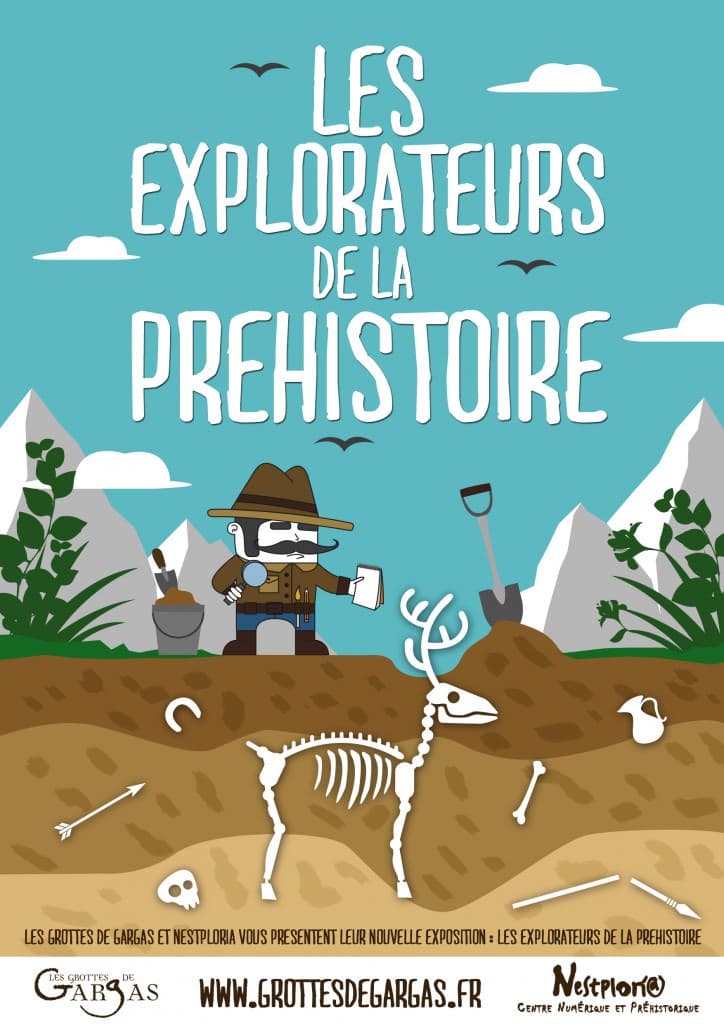
Open to the public since September 2015, Les explorateurs de la Préhistoire exhibition was created by the Gargas Caves guides for the children's public (families and schools). The exhibition lets you learn and understand by playing archaeologist.
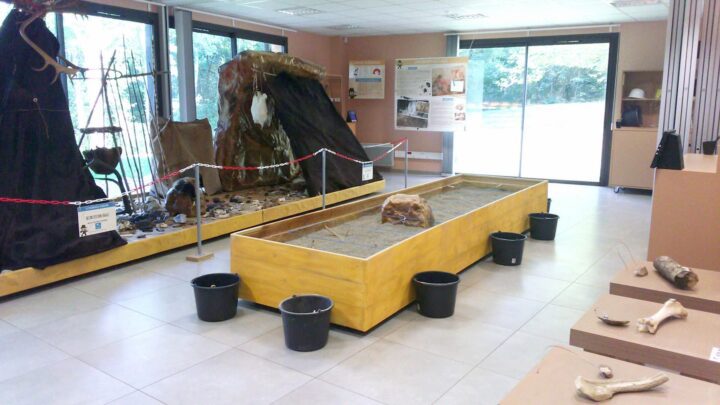
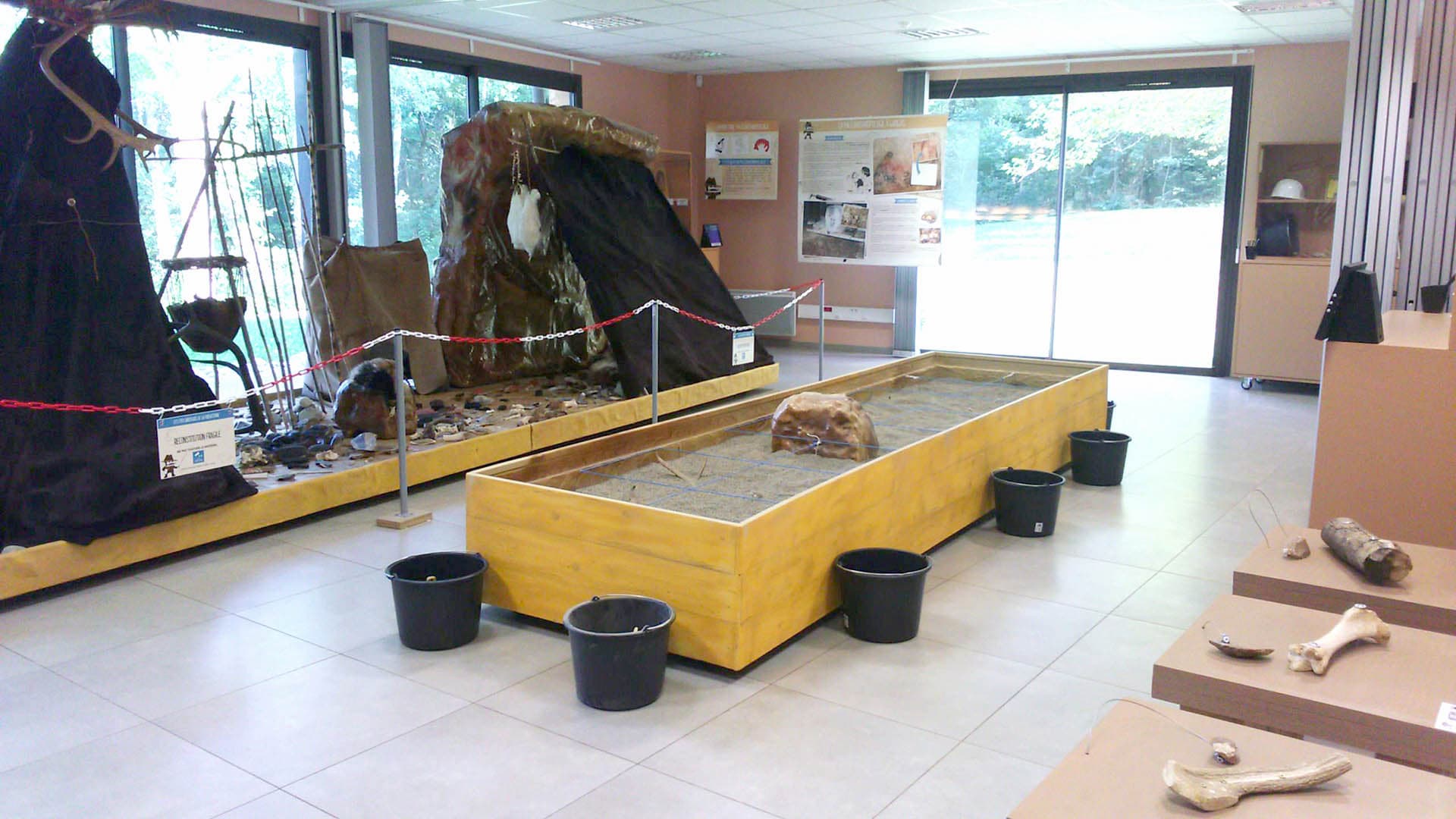
For the pleasure of the eye, but also in the interests of science, the exhibition features the reconstruction of a life-size prehistoric camp. The question is simple : what would have remained thousands of years later, if the camp had been hastily abandoned ?
This is the beginning of a real dig. Armed with the tools of the archaeologist (paintbrush, shovel, bucket, notebook), children can unearth the remains of the camp and conduct a scientific investigation into the history of the site and its inhabitants.
Four laboratories are at their disposal to make the objects they find speak for themselves:
The archaeologist : the site manager
The anthropologist : specialist in human beings.
The archaeozoologist : the expert on animal remains.
The tool specialist : in the know about tools and their functions.
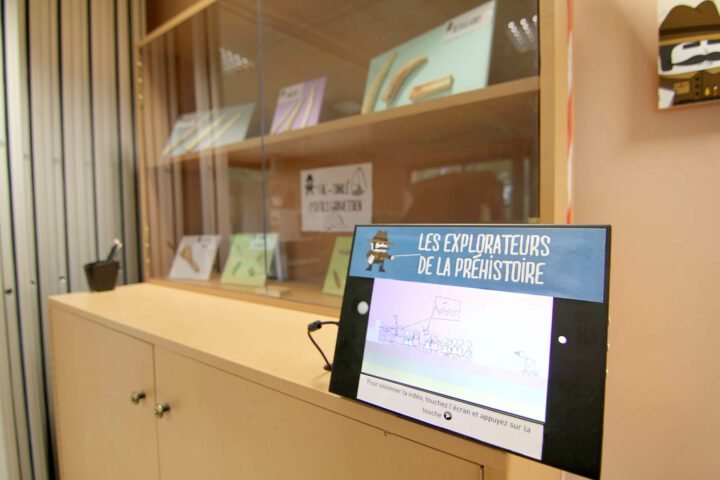
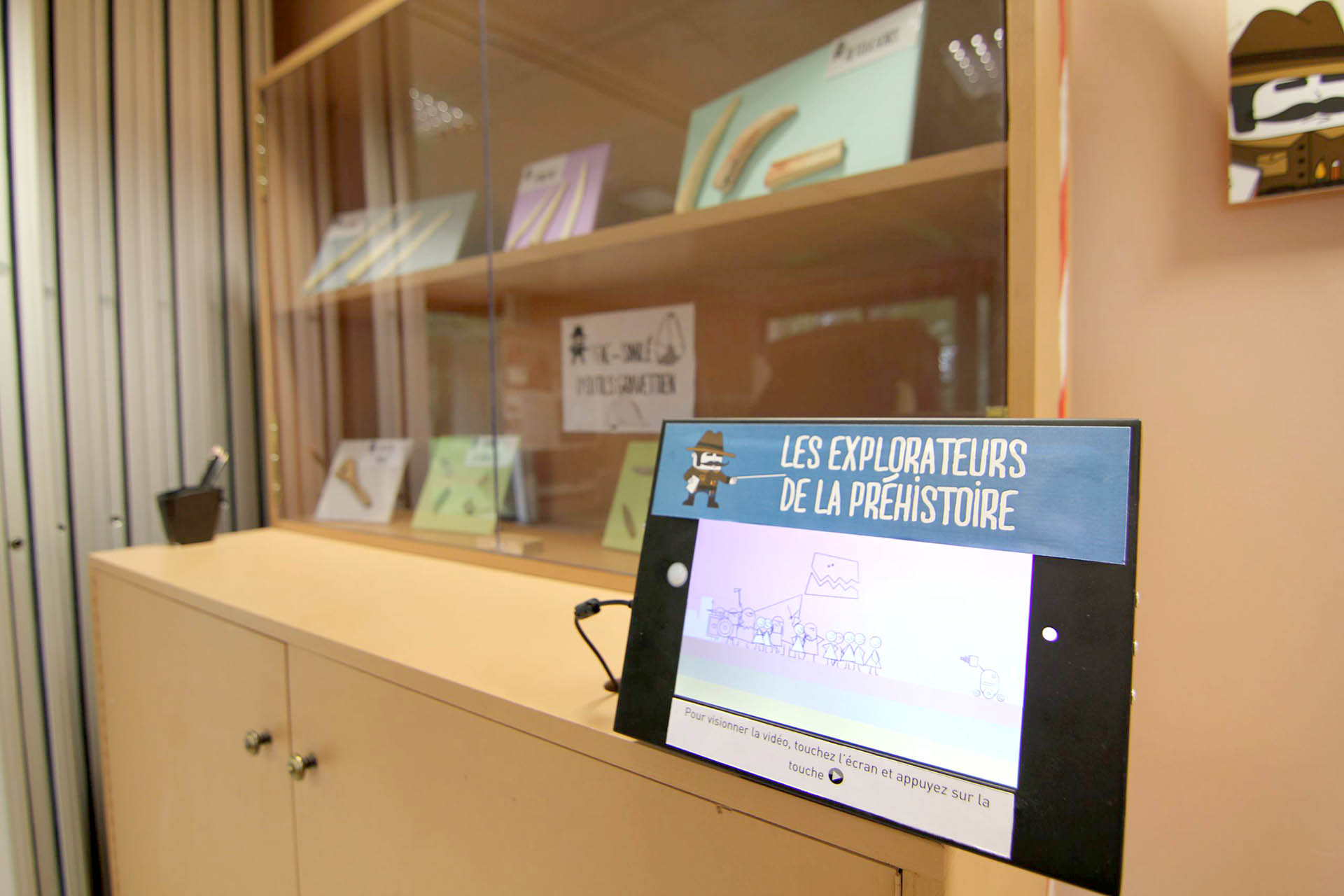
Using animated films, tactile games, objects to manipulate and copies of prehistoric artefacts, these laboratories not only provide answers to the inquiry, but also enable visitors to discover the little-known professions of archaeology and understand what they have contributed to our knowledge of the Gargas caves.
The prehistoric camp
It allows us to imagine what a prehistoric habitat might have been like.
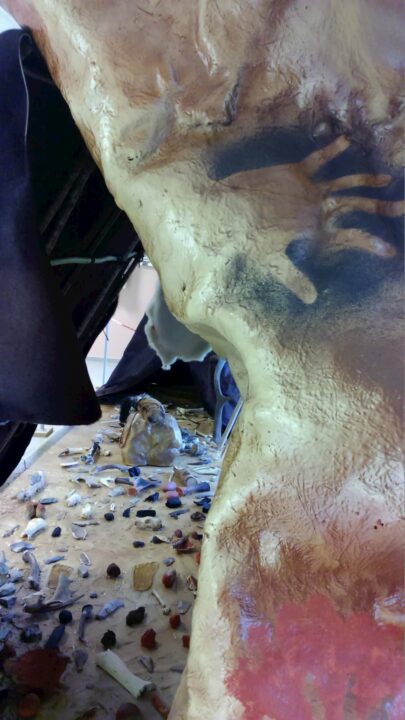
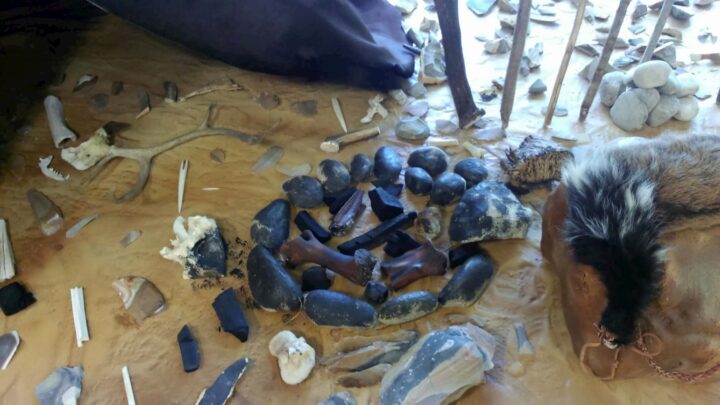
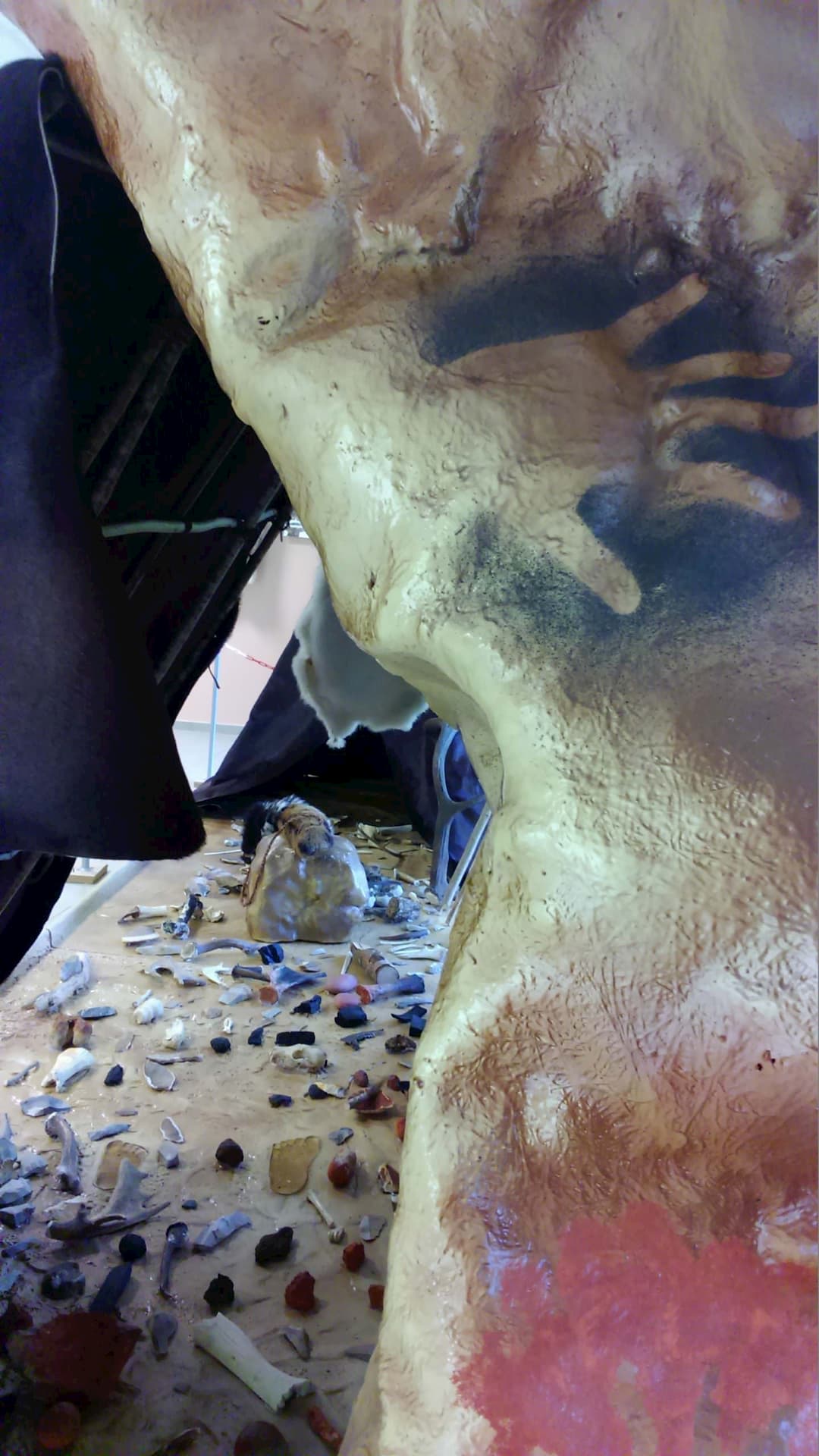
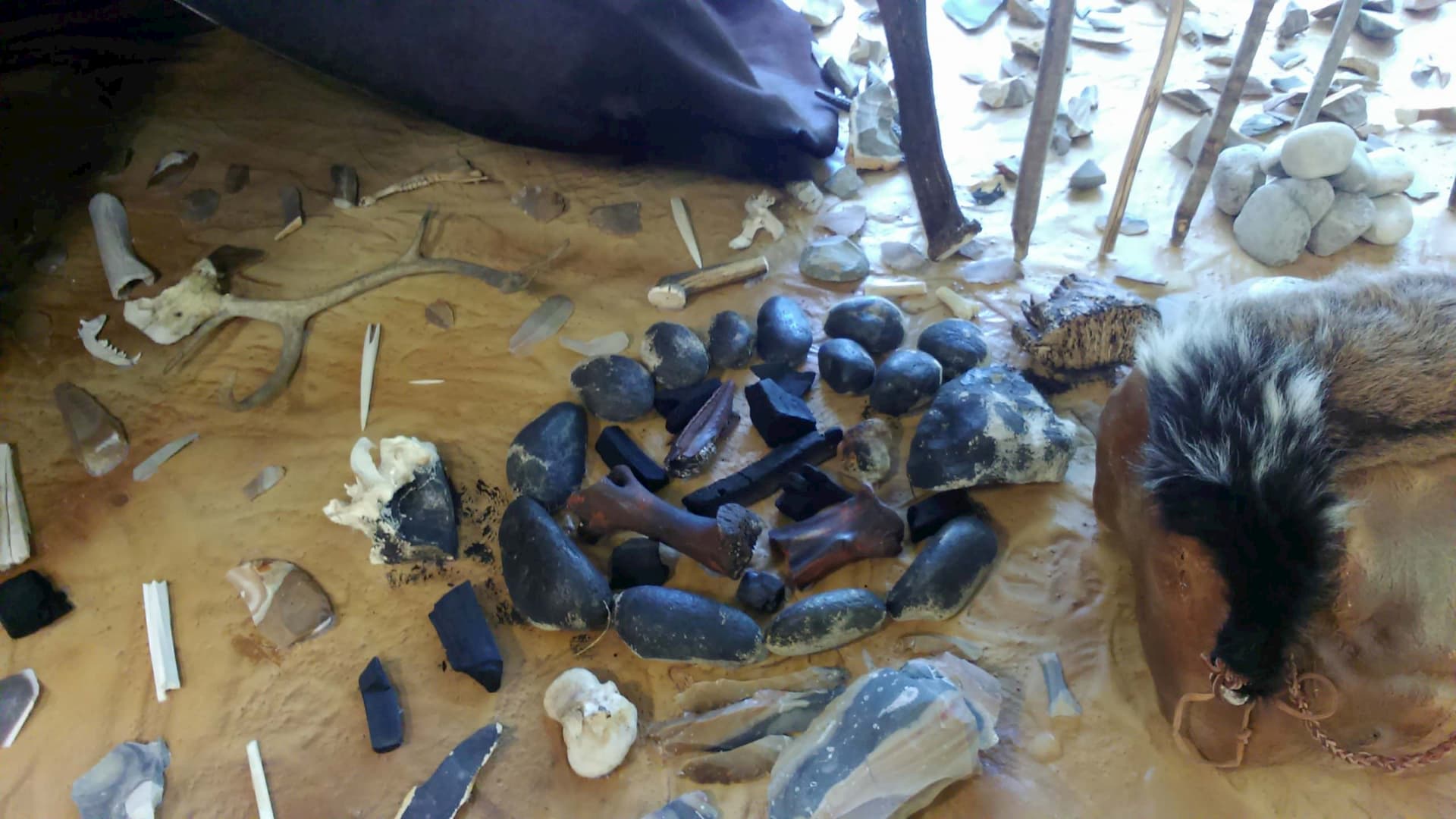
Composed of two living quarters, a tepee and a rock shelter, this reproduction of a prehistoric family's living quarters features objects used in daily life: a smoker, assegais, a kettle, a necklace, and tools made of flint, bone and reindeer antler…
The digging table
Opposite the camp, a 4m-long excavation area, divided into 16 squares, will reveal the remains of the camp as we would find them today. This is where the investigation begins for the apprentice archaeologists. They have to record their discoveries in an excavation notebook, and are then invited to make them speak using the laboratories at their disposal.
Specialist laboratories
For each laboratory, 3 reading levels are proposed :
- A presentation of the specialty covered in the laboratory: the “job”.
- A survey-related activity, to complete an excavation report: “the survey”.
- A presentation of the contribution of each specialty to our knowledge of Gargas.
The archaeologist's laboratory
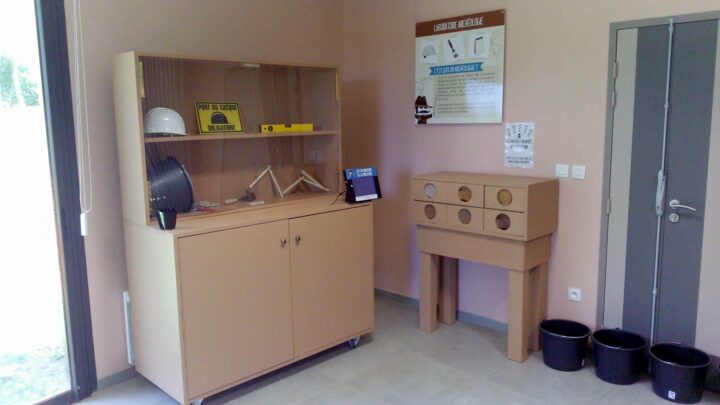
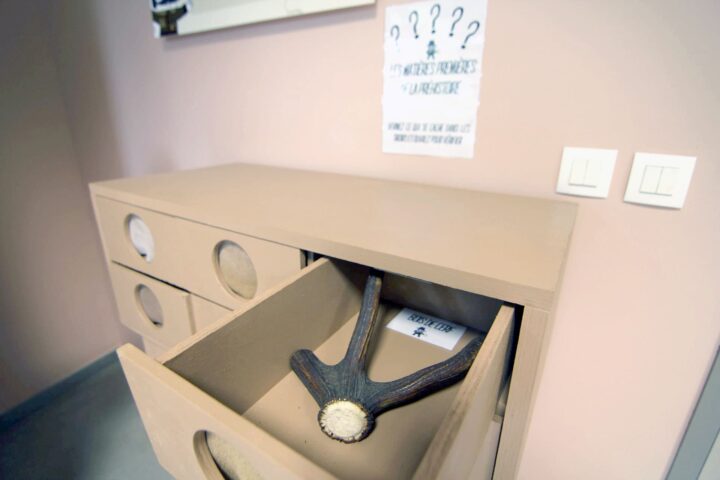
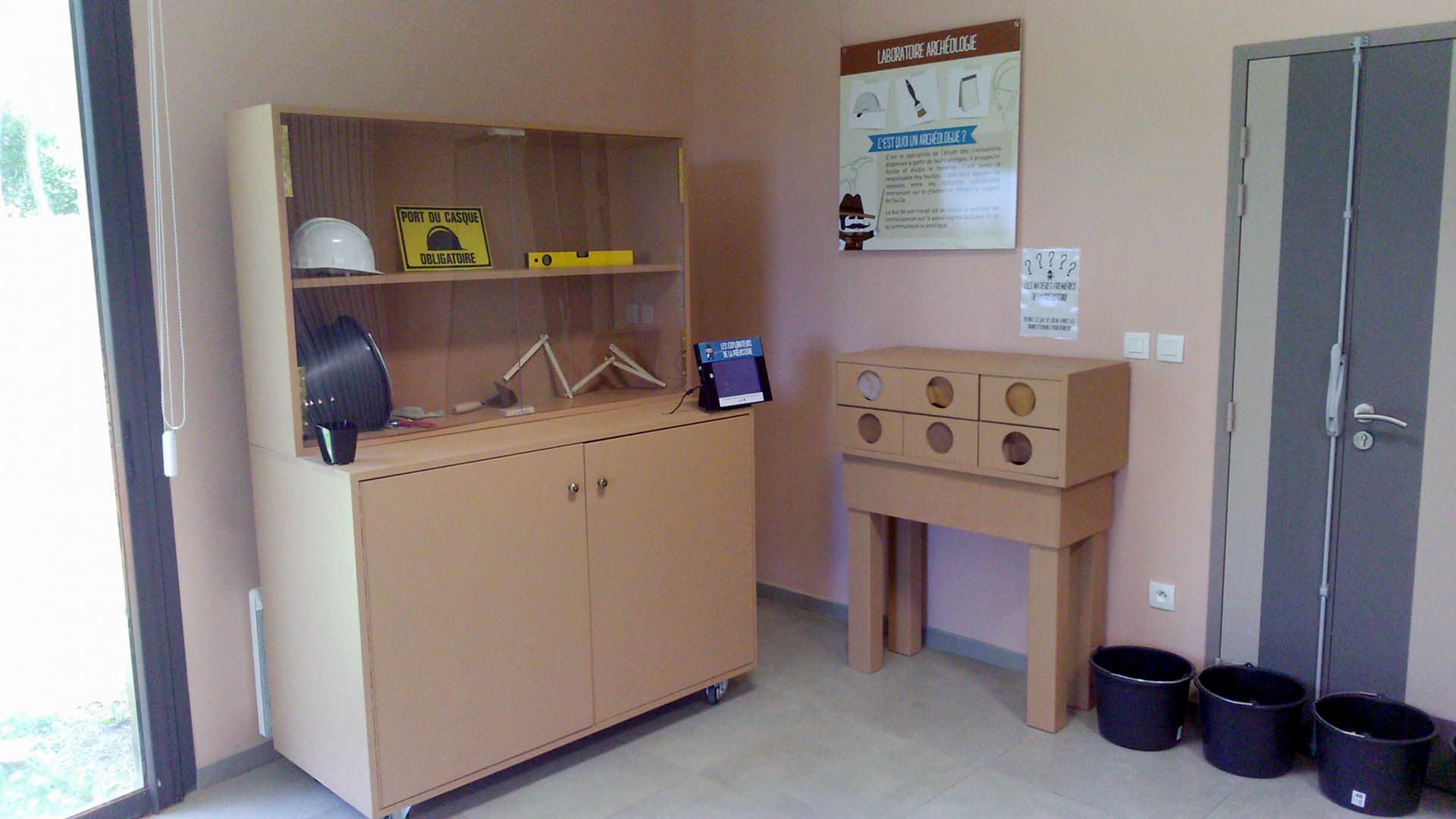
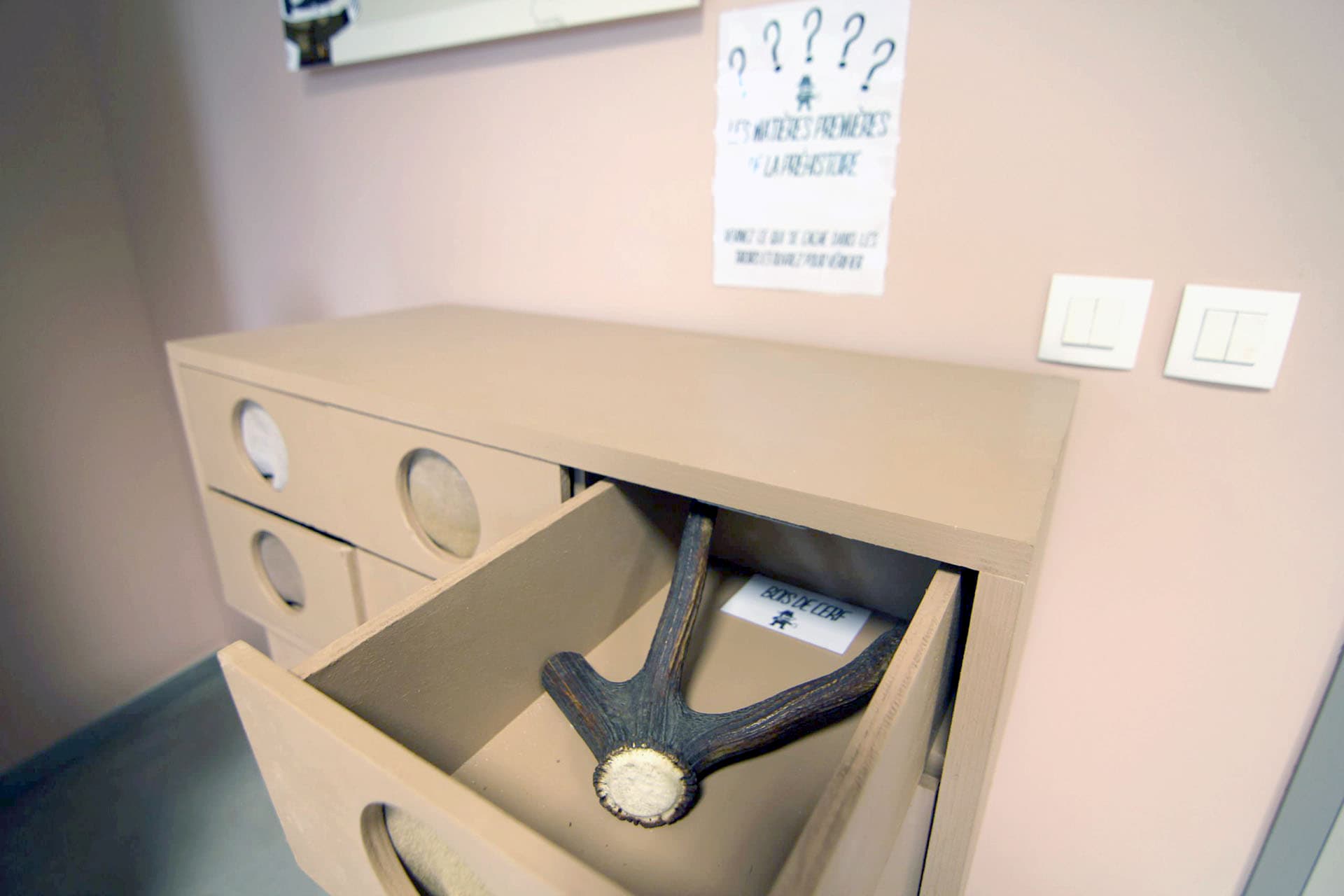
He's in charge of the site. He manages the teams and must deliver the excavation report. A 7-minute film presents the work of the team of archaeologists working at Gargas since 2004. A chest of drawers lets you “touch” the raw materials of prehistory.
The paleoanthropologist's laboratory
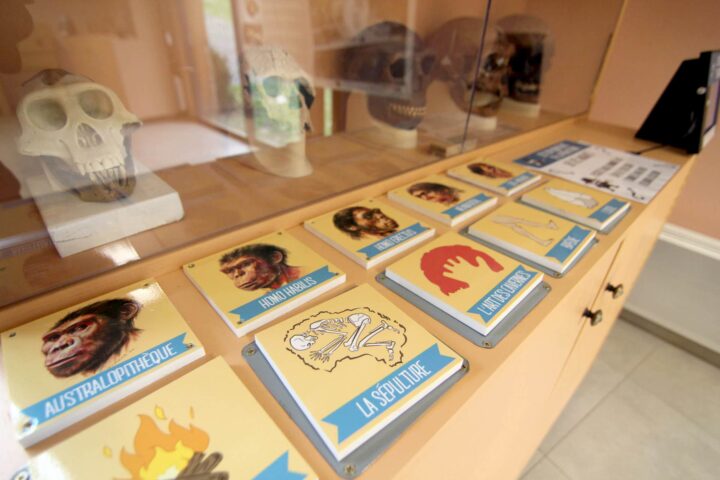
Here, we'll find out which human species frequented the camp and learn more about the inhabitants of Gargas. A set of magnets allows you to associate each major stage of evolution with the human species that gave rise to it, and a display of skull casts allows you to discover the different human species that have succeeded one another.
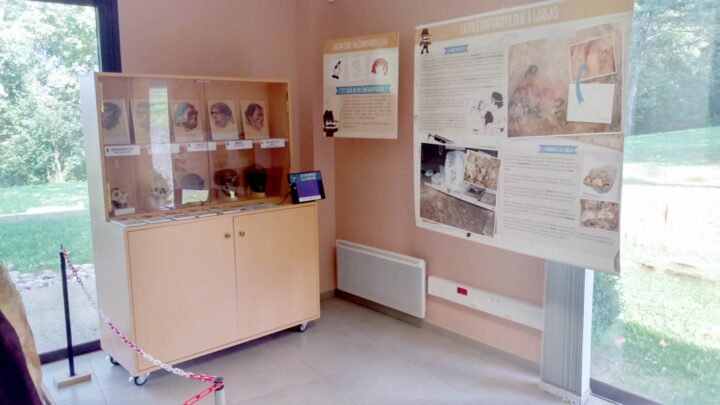
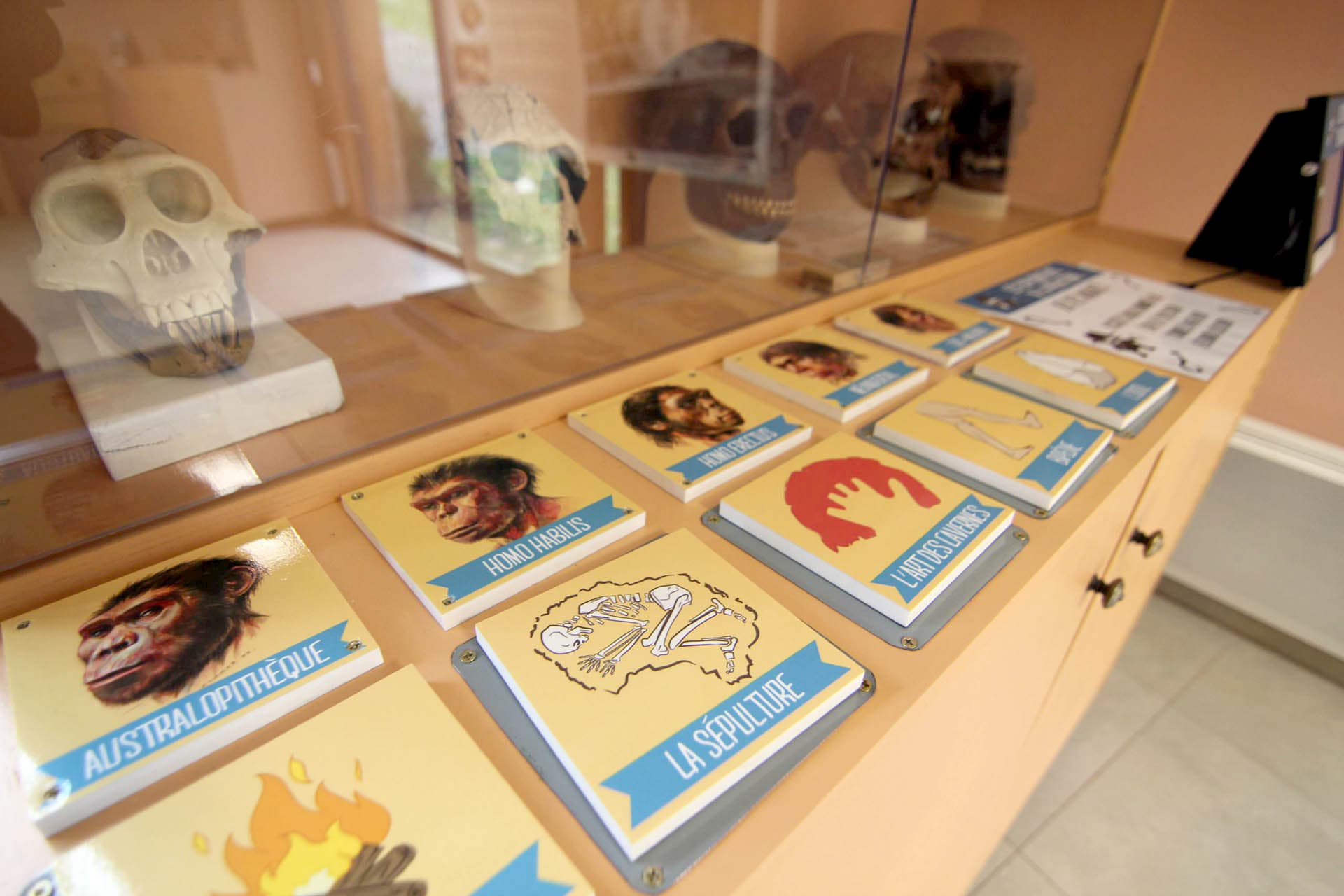
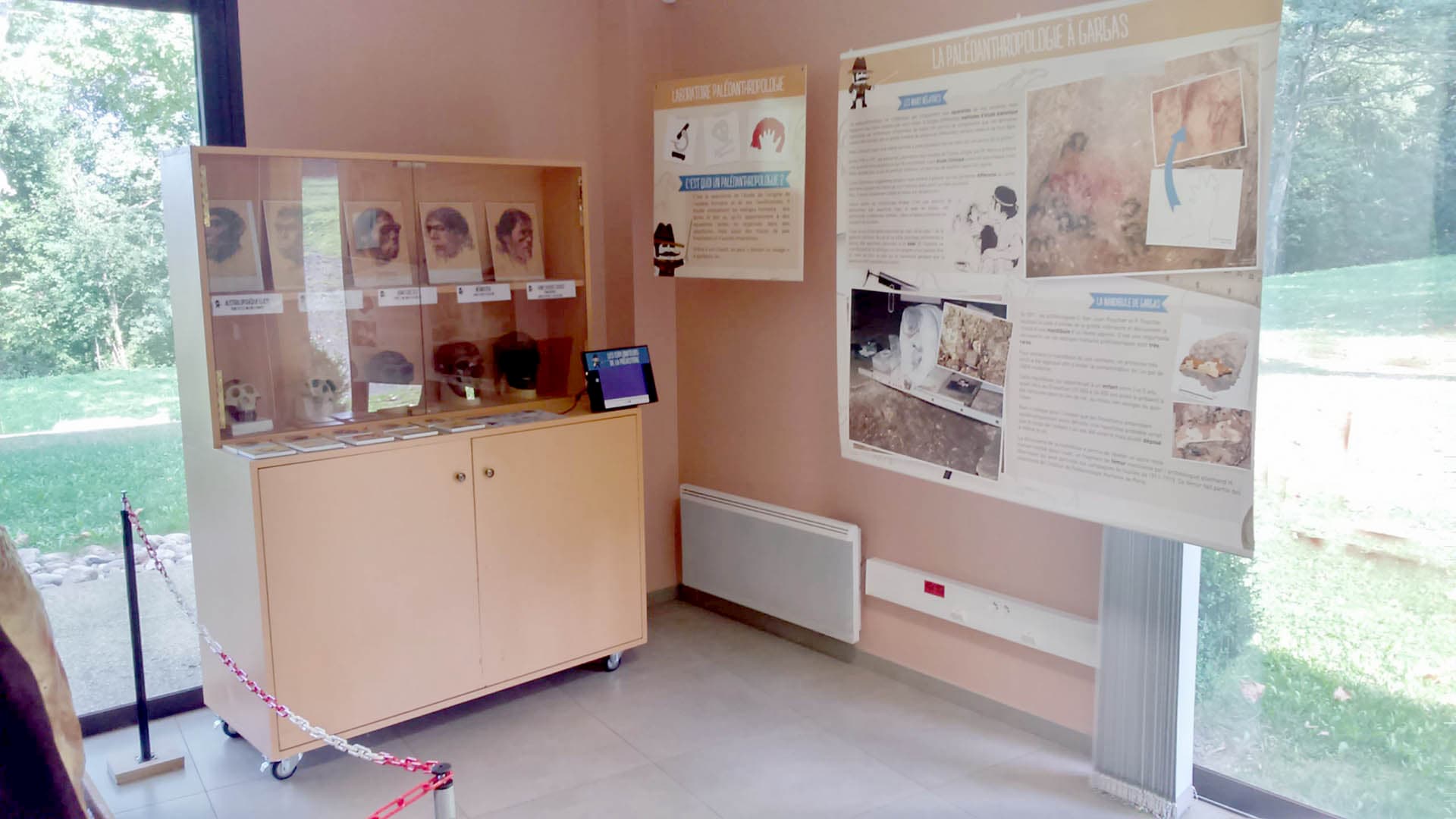
The archaeozoologist's laboratory
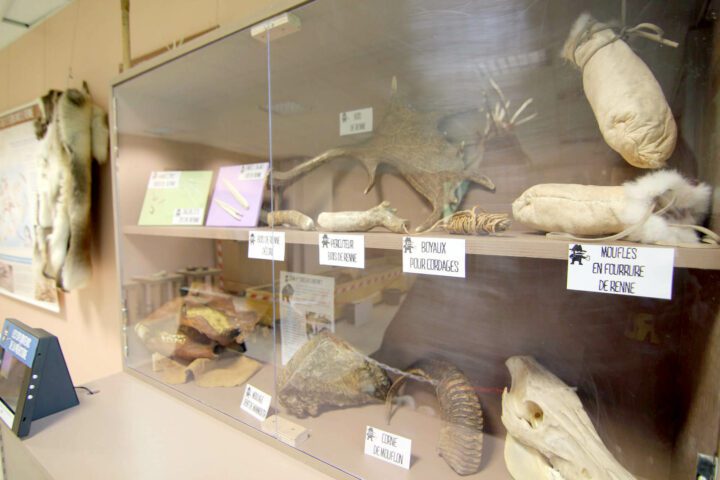
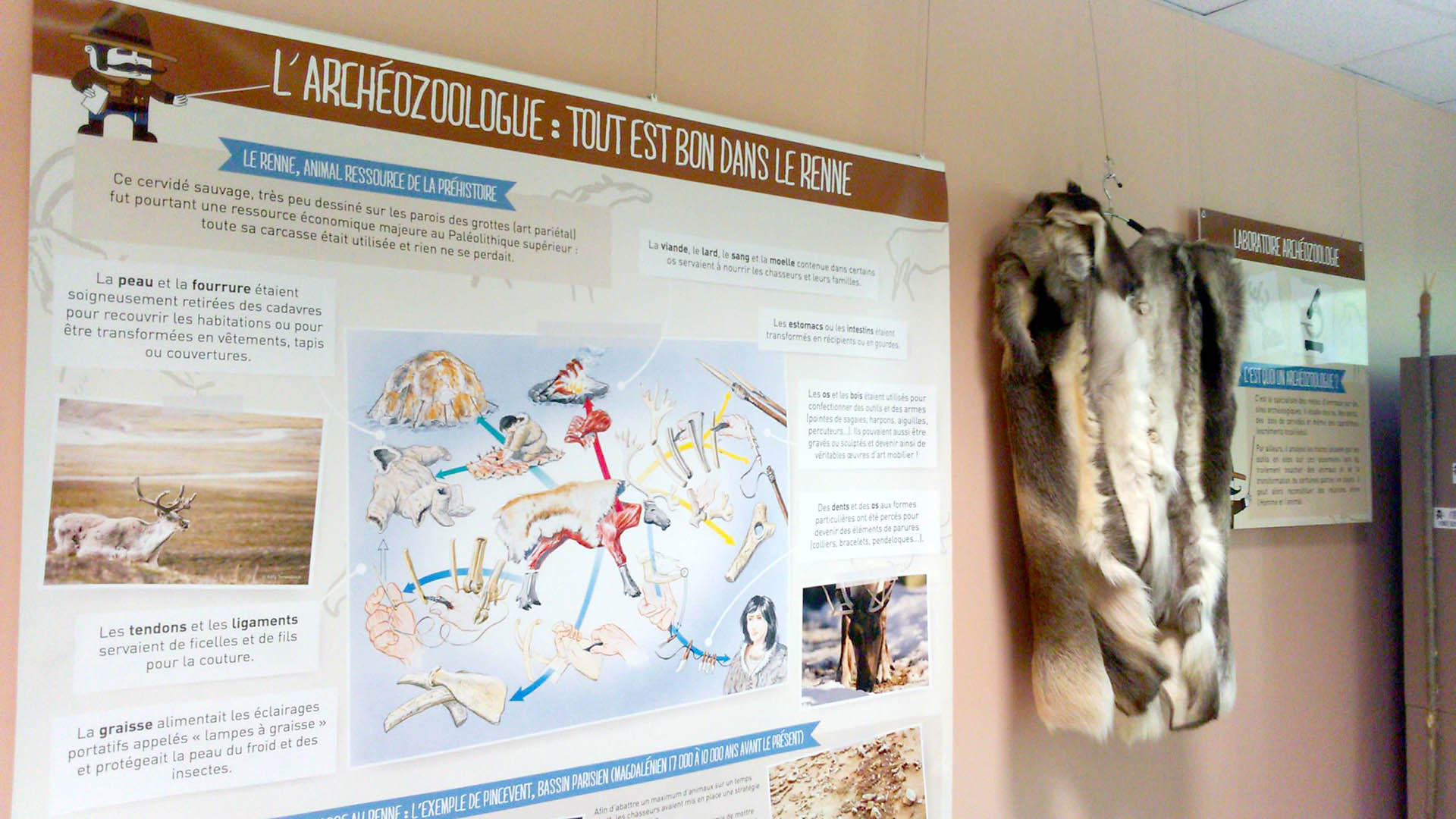
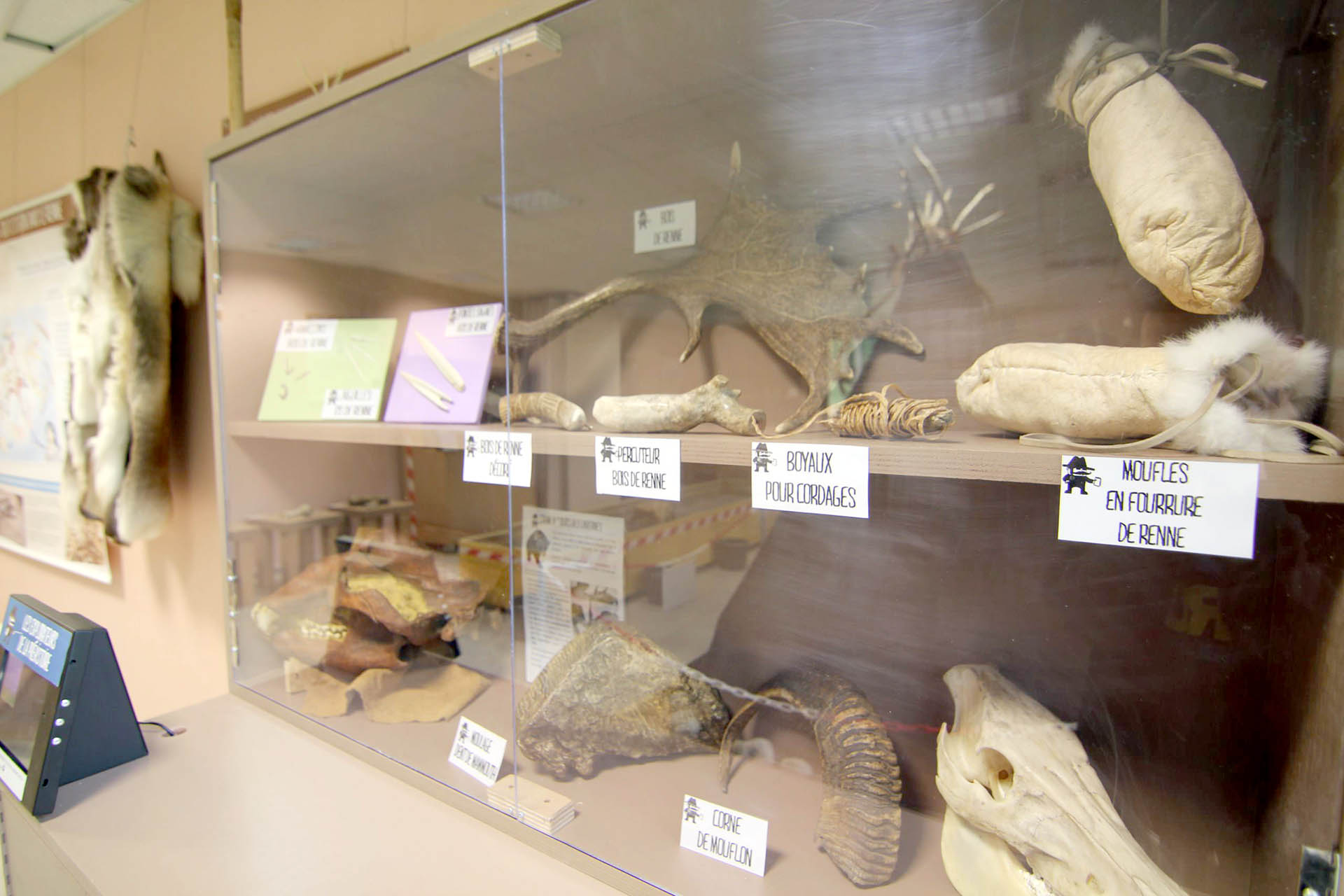
The laboratoryThis specialist in animal remains displays tools, clothing and everyday objects, all made from animal raw materials. Bones, tendons, antlers… everything is on display to help us understand the relationship between man and animals.ire of the archaeozoologist
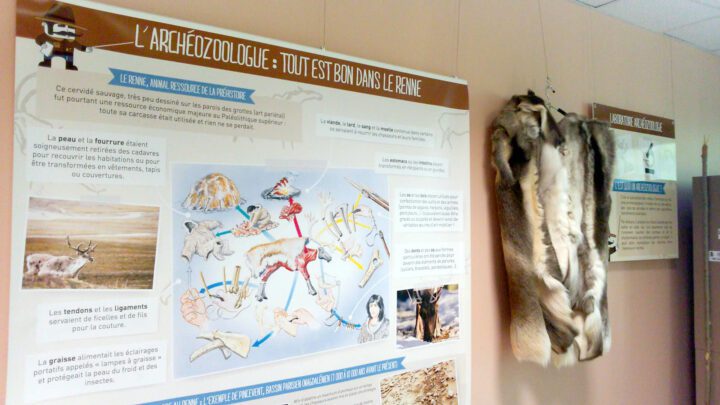
The tool specialist's laboratory
In this laboratory, tools are put under the microscope.
A short animated film presents the job of the tracéologue, a specialist in the function of tools.
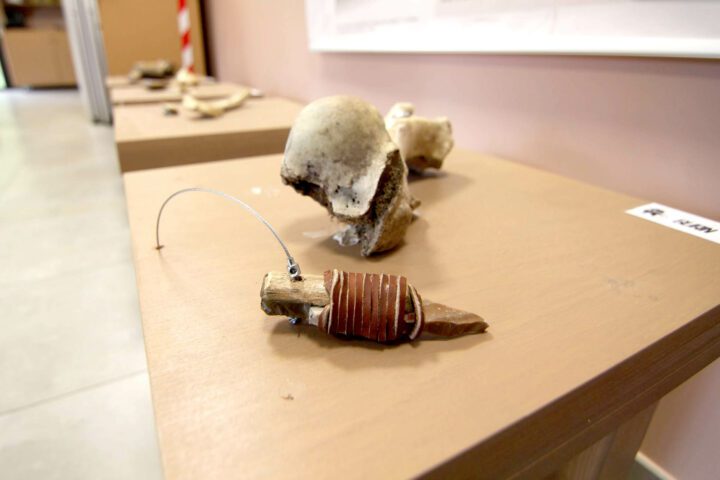
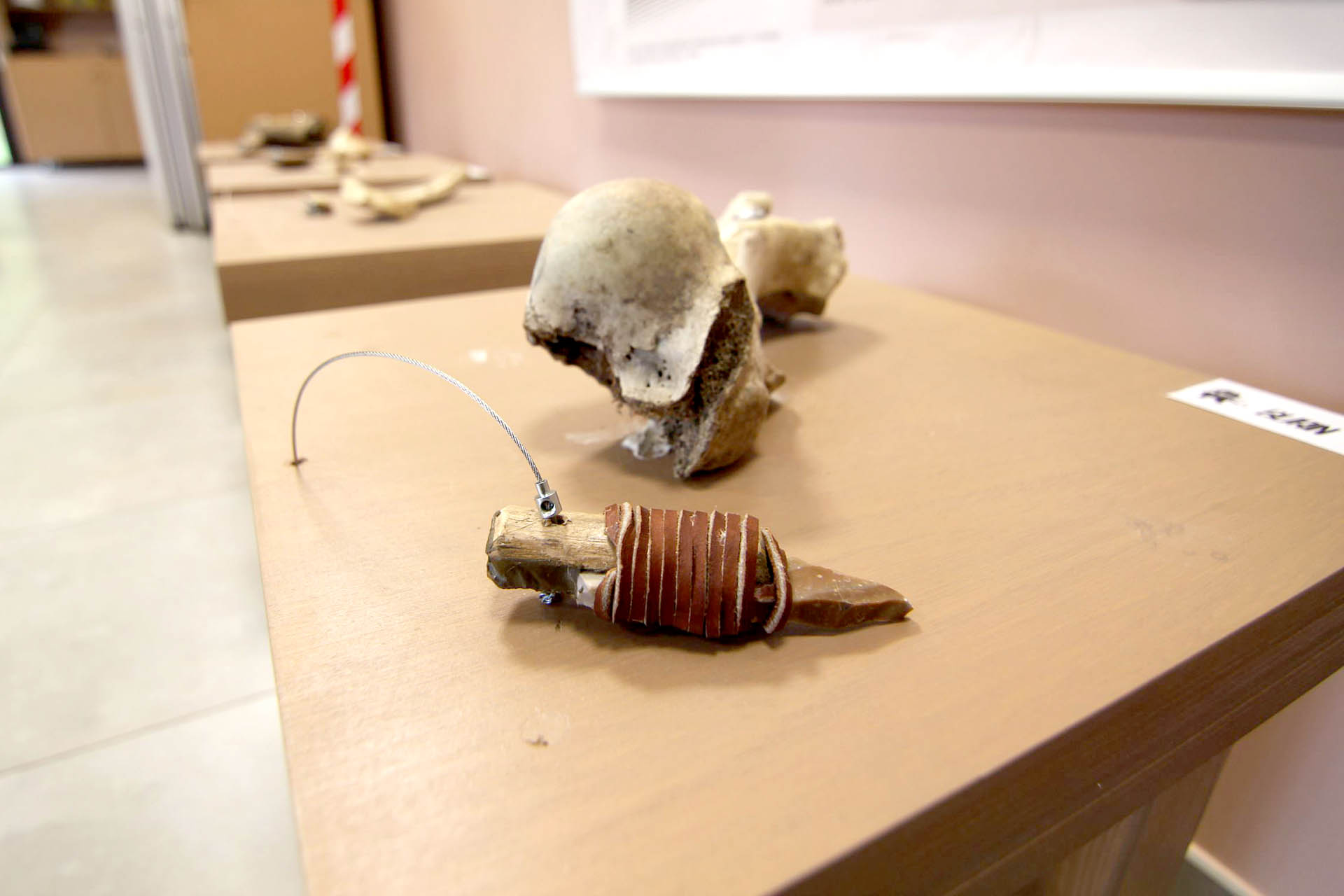
A showcase features facsimiles of tools used by the inhabitants of Gargas.
Four low tables allow visitors to handle these tools and understand their function.